Chinese Electric Vehicle Sales Break Records in Europe
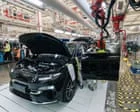
Chinese car manufacturers have made a significant leap in the European market, bringing electric vehicle sales to record levels. This increase has gained momentum, particularly due to low tariffs in the United Kingdom and rising buyer demand in Italy. However, this situation has also raised concerns in some circles that Chinese brands are engaging in "dumping" (selling at low prices) in the European Union (EU) and the United Kingdom, supported by state subsidies.
According to Schmidt Automotive Research data, in the first five months of this year, Chinese brands' electric vehicle sales reached 14.2% in the Western European market. This means that one in every seven battery electric vehicles is owned by Chinese manufacturers. A total of 171,800 units sold represents an increase of nearly five percentage points compared to the same period in 2025. Brands like BYD, Chery, SAIC, and Xpeng are targeting Europe to gain dominance in the global electric vehicle market. This situation puts traditional European manufacturers under pressure, as stricter emission regulations compel them to increase their electric vehicle sales.
The increase in sales of Chinese electric vehicles in Europe is occurring despite customs tariffs reaching as high as 35.3% for some Chinese manufacturers. The United Kingdom has become the largest European market for Chinese vehicles due to its policy of not imposing additional taxes. This market accounted for a quarter of Chinese battery electric vehicle sales in the 18 largest markets in Western Europe. Italy, while holding one-fifth of total sales, indicates that this situation is an exception, according to experts. Some manufacturers, like Leapmotor, have sent affordable electric vehicles to the country by taking advantage of government-provided purchase subsidies.
In 2023, more than 120 different Chinese models were launched for sale in Europe. However, experts suggest that Chinese manufacturers may have peaked in market share for fully electric models. This is because some manufacturers have shifted their focus to plug-in hybrid electric vehicles. These vehicles benefit from not yet being subject to customs tariffs. Volkswagen CEO Oliver Blume emphasized that hybrid vehicles cannot compete with Chinese models in the European market. Whether the EU will impose additional taxes on hybrid vehicles remains a topic of interest.